


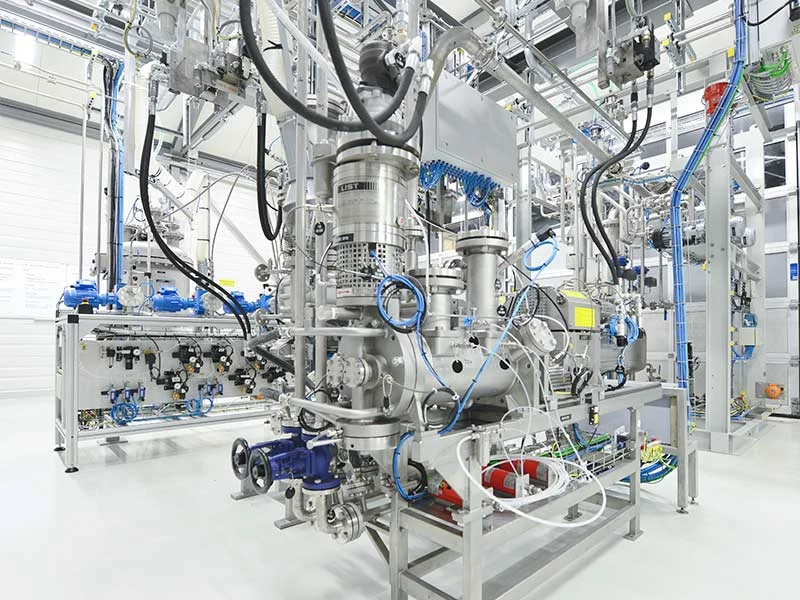
Kneader Reactor Applications – Across Industries and Process Boundaries
LIST kneader reactors efficiently process materials where other machines fail due to rheological challenges: highly viscous, sticky, and solidifying materials.
From high-performance polymers and synthetic rubbers to cellulose fibers made from recycled textiles, all the way to specialty chemicals and active pharmaceutical ingredients. Twelve process types, over fourteen industries—and the ability to industrially process materials that would not exist without this technology.
Find your application

Agricultural Chemistry
For the agricultural chemistry LIST is offering different types of reaction and drying processes.

Chemicals
In the specialty chemical industry, the unique features of the LIST Process Solutions and KneaderReactors are essential for a wide range of applications and products.
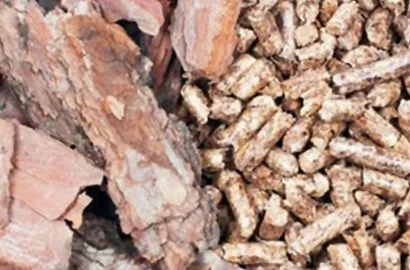


Fibers
For the fiber industry LIST has developed several industrial proven, state of the art processes to produce solution for the spinning of natural (cellulose based) and synthetic fibers.

Food
LIST process solutions for the food industry include processes such as crystallization, homogenization, mixing and kneading, chemical reaction or drying

Lyocell 2.0
LIST’s process solutions for Lyocell 2.0 enable the efficient conversion of cellulose into high-quality fibres, ensuring consistent material quality.
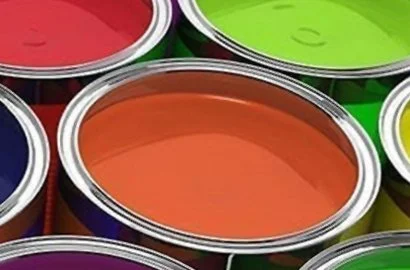
Paint & Coatings
LIST process solutions are frequently used in the paint and coatings industry because they can process certain products without solvents

Pharma
For the pharmaceutical industry LIST has developed several processes for the reaction, crystallization, polymerization or drying of pharmaceutical products

Polymer & Rubber
In the Polymer and Rubber industry the use of LIST Process Solutions is a matter of course and an integral part of the production of a large variety of polymers and elastomers for different applications.

Polymer Recycling
The plastics industry is undergoing a major transformation: what used to be waste is now becoming a valuable resource for new plastics.
Rubber
Compared to traditional adhesives, hot-melt adhesives offer several advantages: These products can be applied quickly and, as they cool, rapidly develop the desired properties without the curing process typical of solvent-based adhesives or the chemical reaction required in two-component systems.