
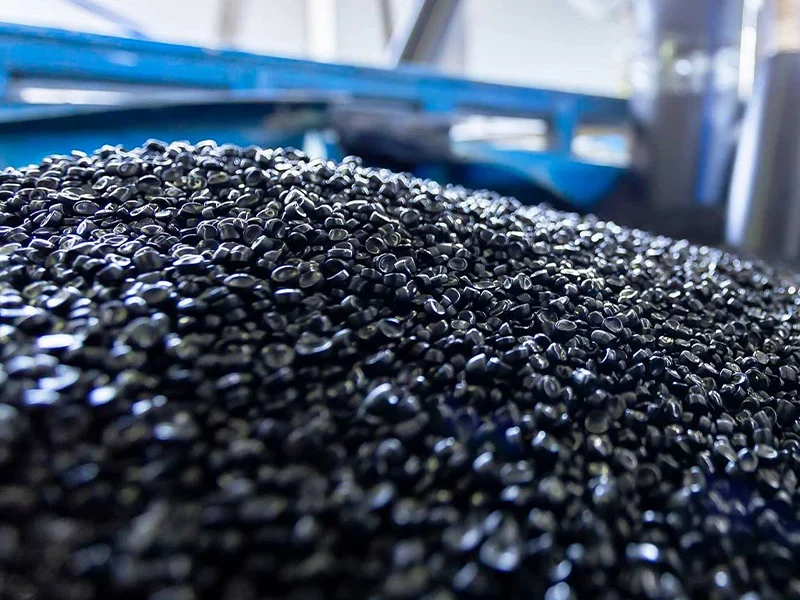
Composites are used where high performance requirements are demanded. They are employed in most industries in ever-growing application areas.
To meet market demands, customers must be able to follow technological trends in their respective applications, operate economically and sustainably. Competent and reliable partners and systems are crucial for this.
The innovative BUSS Co-Kneader Technology comes into play where conventional compounding systems reach their limits, regardless of whether the material is in the form of pellets, powder, liquid, bales, flakes, or any other form.
Find your application
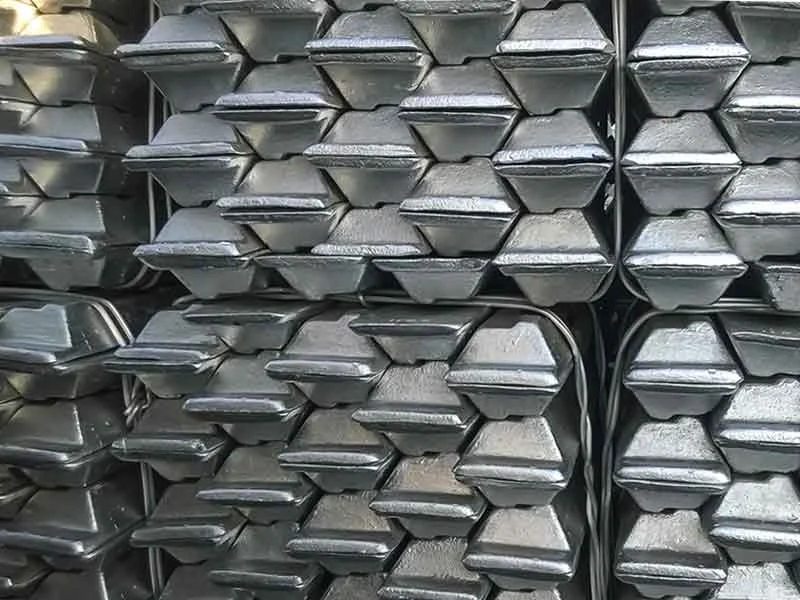
Anode Paste
For the industrial manufacturing of aluminum, which is considered the most important metal with no iron content, so-called anode paste is of central importance.
Antistatic compounds
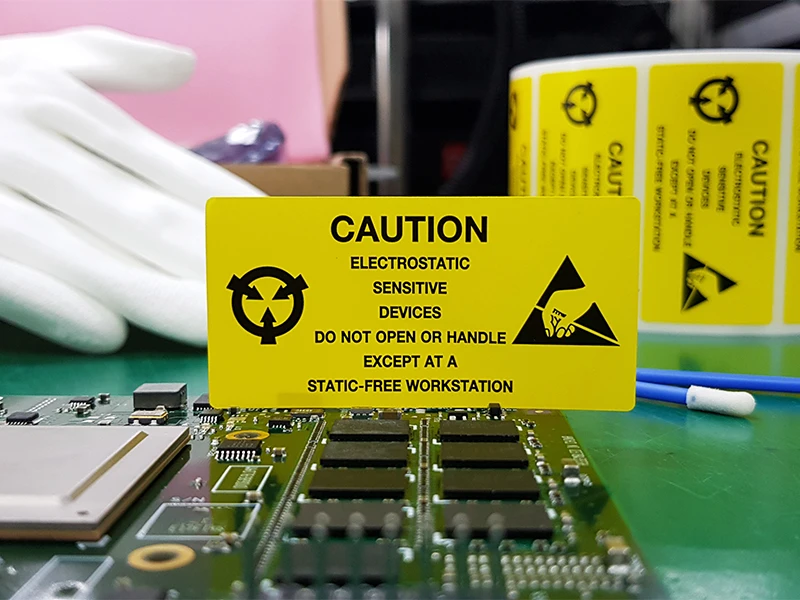
The effect known as triboelectric charging, for which a single contact suffices to charge the surface electrostatically, has the consequence that components often come out of the shaping machine statically charged.
Battery Electrodes
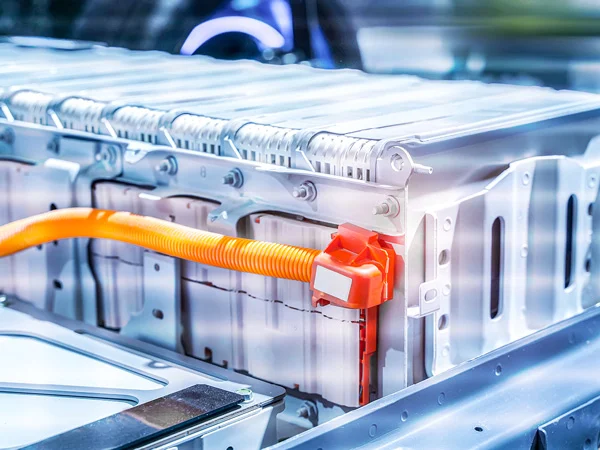
The development and realization of rechargeable battery and battery systems with high energy density are important parts of the response to global trends as well as the UNO sustainability targets.
Bioplastic materials
Bioplastics have already existed for a very long time. The first industrially produced plastics were cellulose-based and produced industrially as of 1869 and casein, which was produced in large quantities at the beginning of the 20th century as so-called synthetic horn.
Bitumen
Bitumen is a thermoplastic material, this means that its viscosity is temperature-dependent: when heated, it passes continuously through all states from solid to viscous until it becomes thin between 150 °C and 200 °C.
Calender feeding
Calender feeding is a system with several heated and polished chill-casting or steel rollers between which the melt, a pre-plasticized molding material from a BUSS Kneader or other materials are fed.
Epoxy resin molding compounds
Epoxy molding compounds have been known for their good electrical and mechanical properties as well as their excellent chemical and aging resistance for a long time.
Fluoropolymers
Fluoropolymers are undoubtedly part of the high-performance polymer family. The polymer polytetrafluoroethylene (PTFE) was discovered per chance by Plunkett at DuPont in 1938.
FRTP fillers
The integration of fillers into a plastic matrix follows two basic targets: improved specific material properties of the compound, for example here breathable foils or films or sound-absorbing tubes and cost savings.
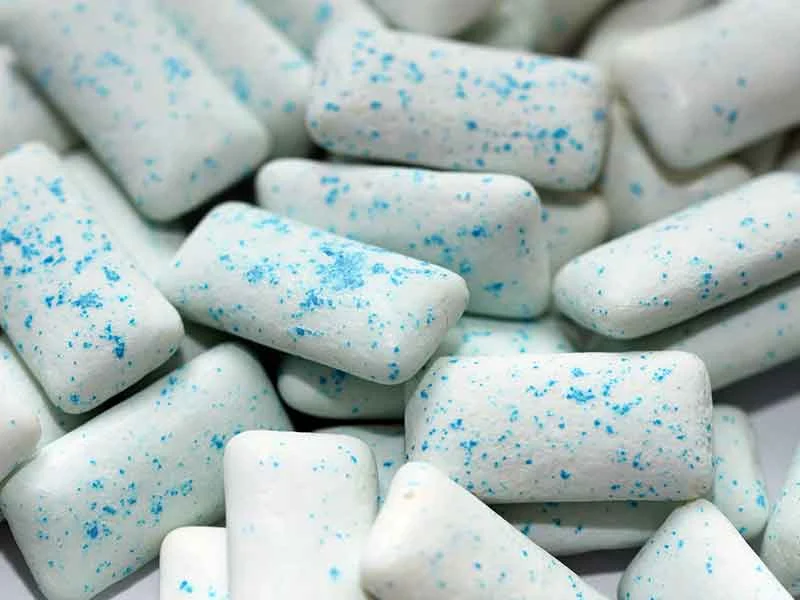
Gum base
In addition to the technical applications which are described on the corresponding pages, PIB is often used as an elastomer formulation component in the basic mass for chewing gum, the so-called gum base.
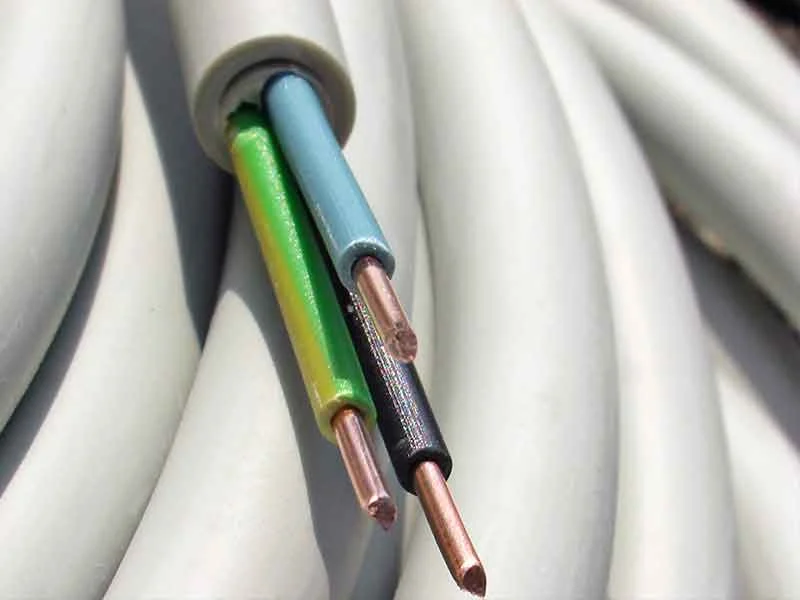
HFFR cable compounds
Polyolefins have excellent insulation properties, but are also highly flammable and must be made flame-retardant accordingly.
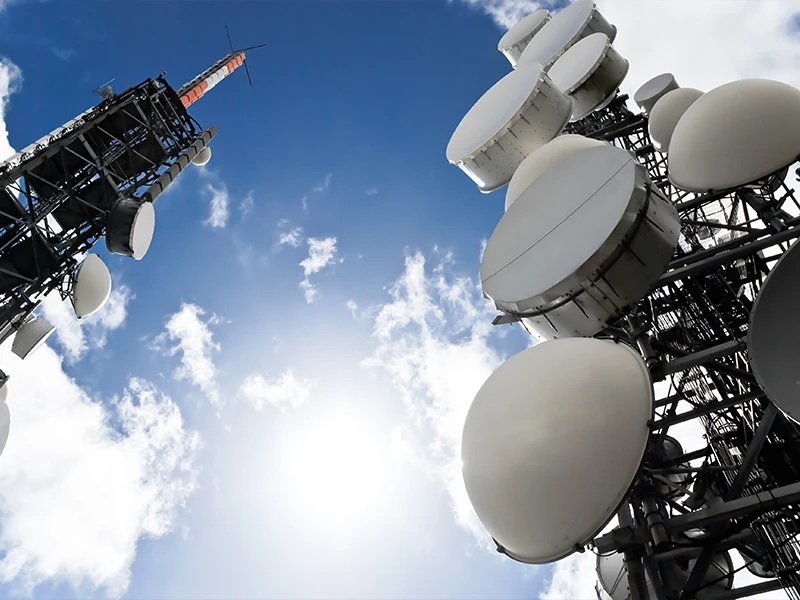
Highly-conductive compounds
Compared to other materials, plastics have several advantages. However, they cannot be taken advantage of in certain application fields due to lacking conductivity.
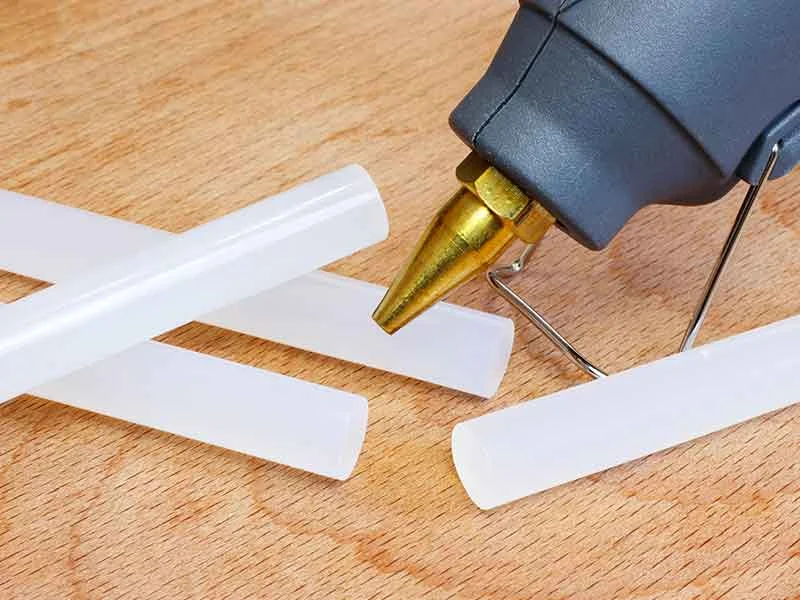
Hot Melt
Compared to classical adhesives, hot melt score with various features: the products can be processed fast and acquire the respective properties when they cool off without hardening for solvent-based or reaction for 2-component systems.
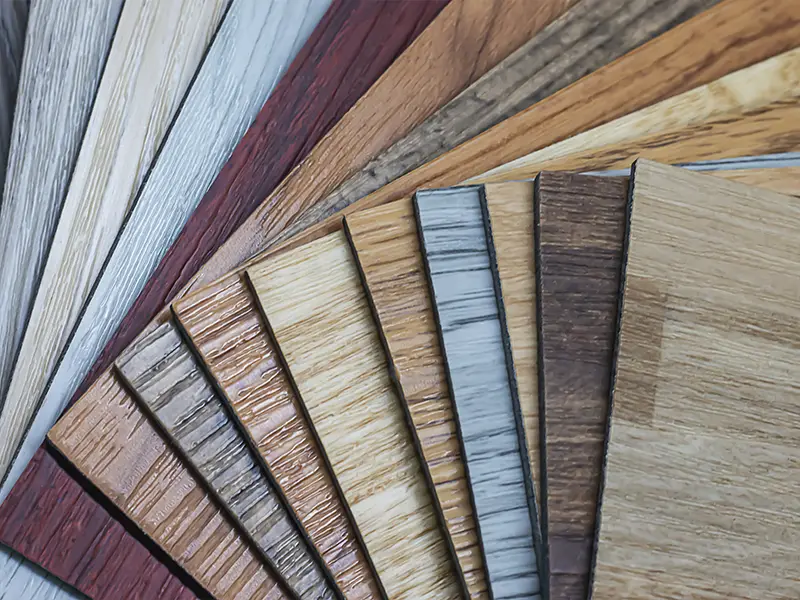
Luxury Vinyl Tiles
In order to achieve these specific LVT properties, the floor covering is composed of several special layers. This is done classically by separate manufacturing of the compounds using BUSS Kneaders and corresponding calendering processes. The respective layers are compacted in the following process.
Masterbatch
Today, the term masterbatch (MB) normally refers to a concentrate of colorants, additives or other ingredients for cleanly and easily achieving specific properties in the end application.
Natural fiber-reinforced plastics
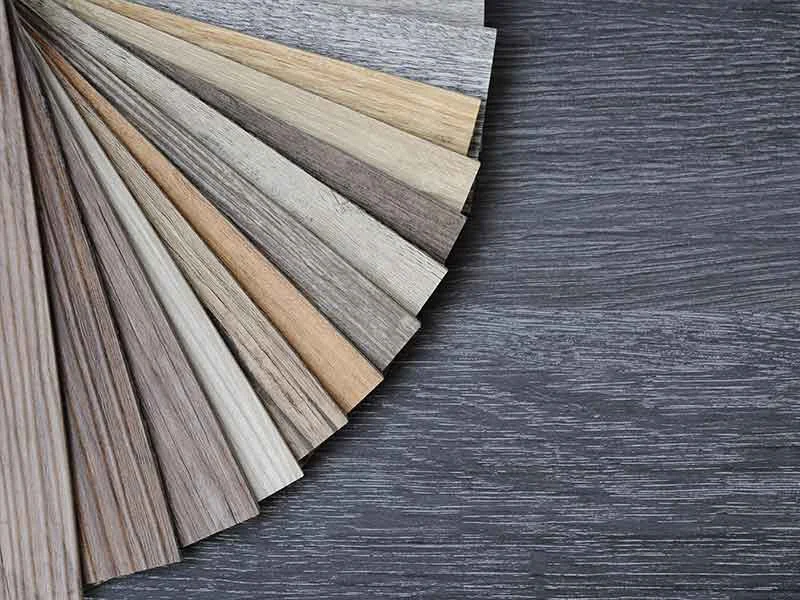
For many centuries, people used natural materials as primary materials. Wood was used for building houses and ships, flax and hemp fibre were processed as ropes and technical textiles such as sails and grain sacks.
PBT / PET compounds
The polymers PET and PBT belong to the polyester family. PET can both exist as amorphous molding material (PET A) and as partially crystalline material (PET C).
Polyamide compounds
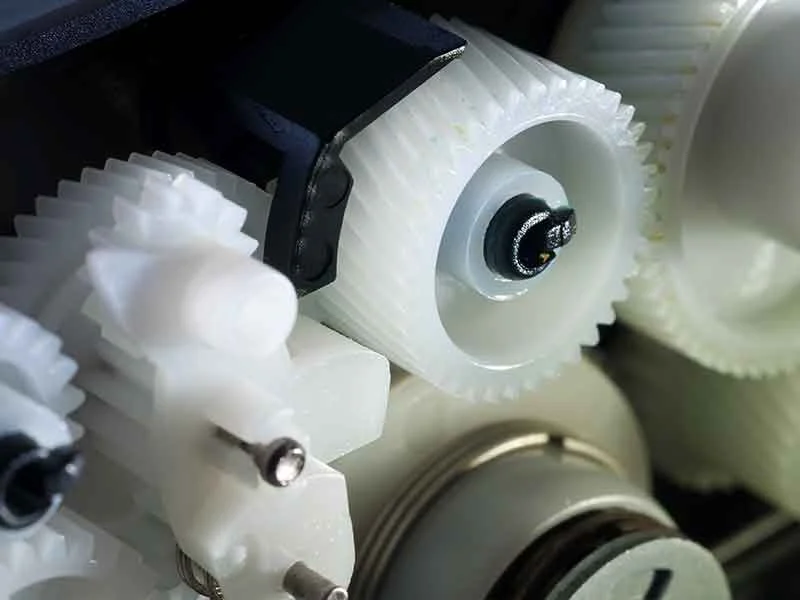
The polyamide-based (PA) compounds belong to the group of technical plastics. The term “engineering plastics” is often used.
Polycarbonate compounds
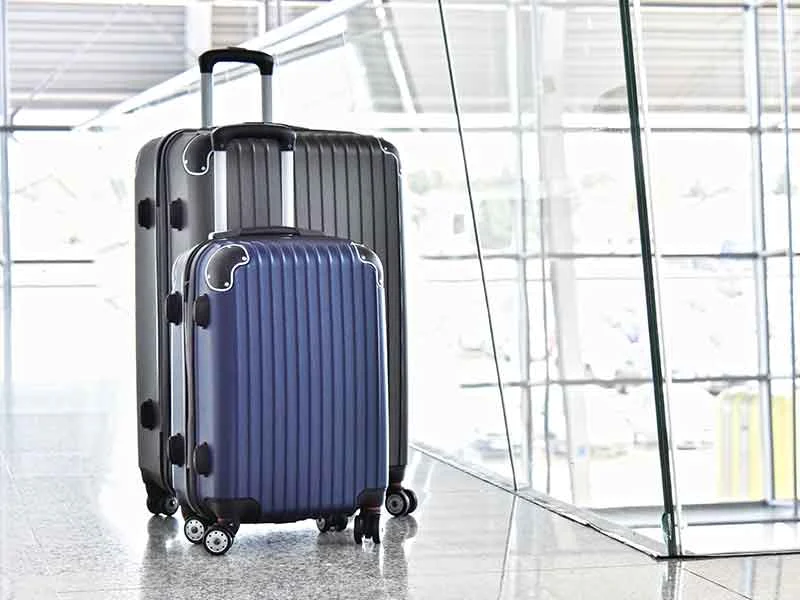
The polycarbonate-based (PA) compounds belong to the group of technical plastics. The term “engineering plastics” is often used.
Polyisobutylene
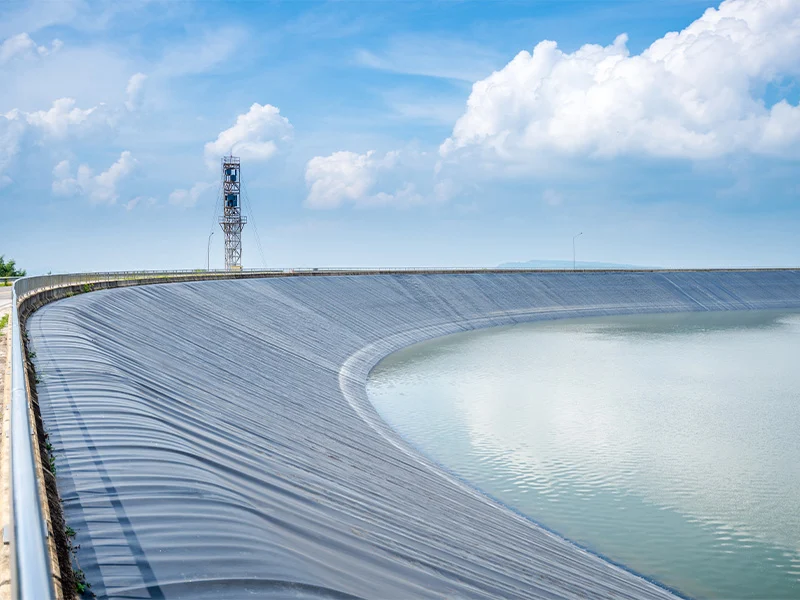
The plastic polyisobutylene (PIB) belongs to the olefin polymer family. It has been manufactured industrially since the 1930s and is produced within a wide viscosity range from oil-like to raw rubber-like masses.
Powder coatings
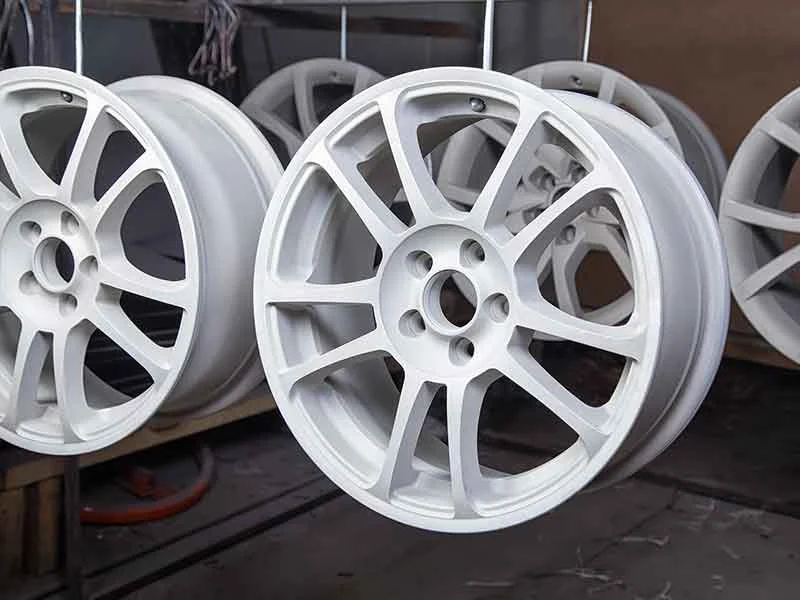
Nowadays, powder coating is mostly understood to be thermoset coating powder, which is applied to surfaces via electrostatic application.
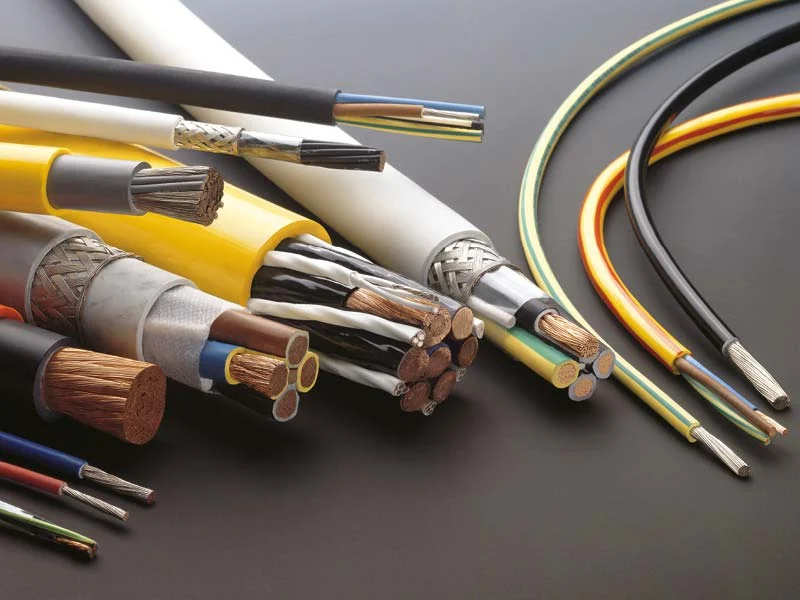
PVC cable compounds
Depending on the requirements profile, different plastics are used for manufacturing cable insulation with BUSS compounding systems. These include polyolefins, TPE, PPE, EEFE, PVA and naturally flexible PVC cable compounds.
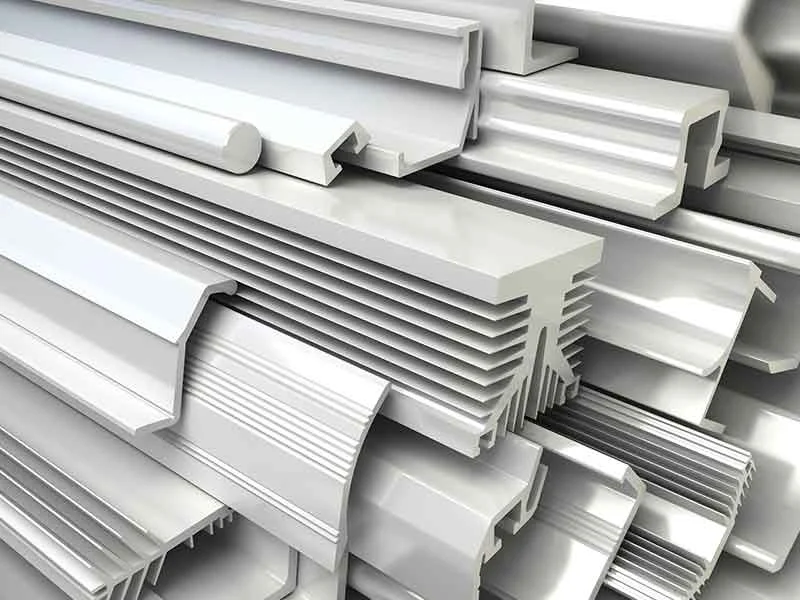
Rigid PVC
Thanks to its good mechanical, electrical and optical properties, as well as excellent chemical resistance, rigid PVC is very useful for many applications.
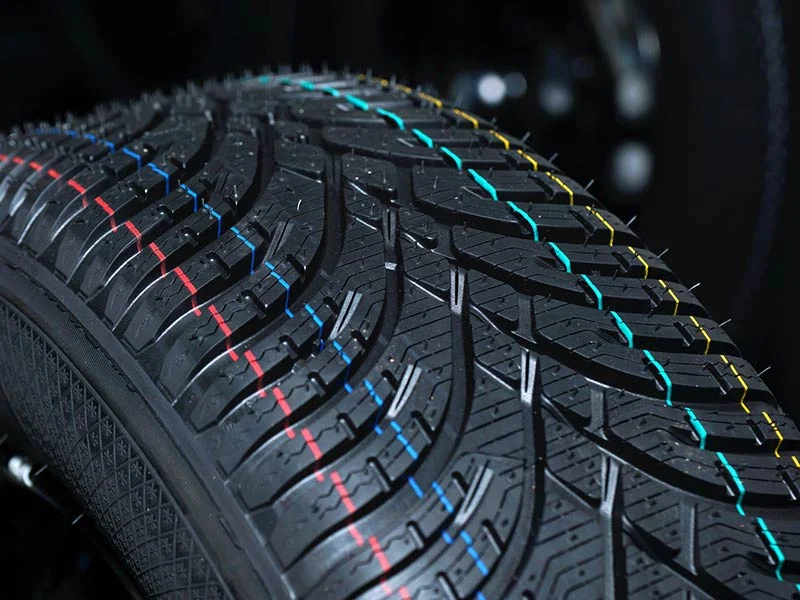
Rubber compounds
Excavations in Guatemala have shown that already in the 3rd century, the Maya knew rubber as a material. Since the 18th century, more and more applications have been described.
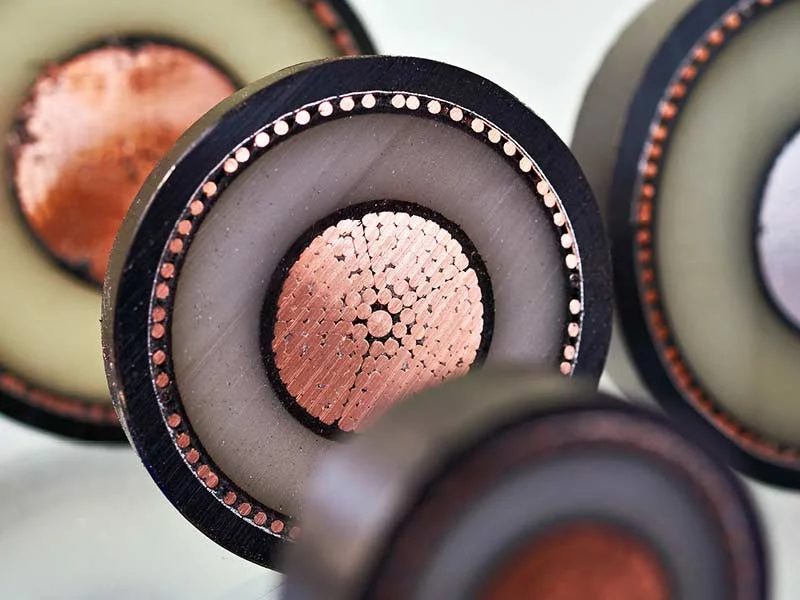
Semicon
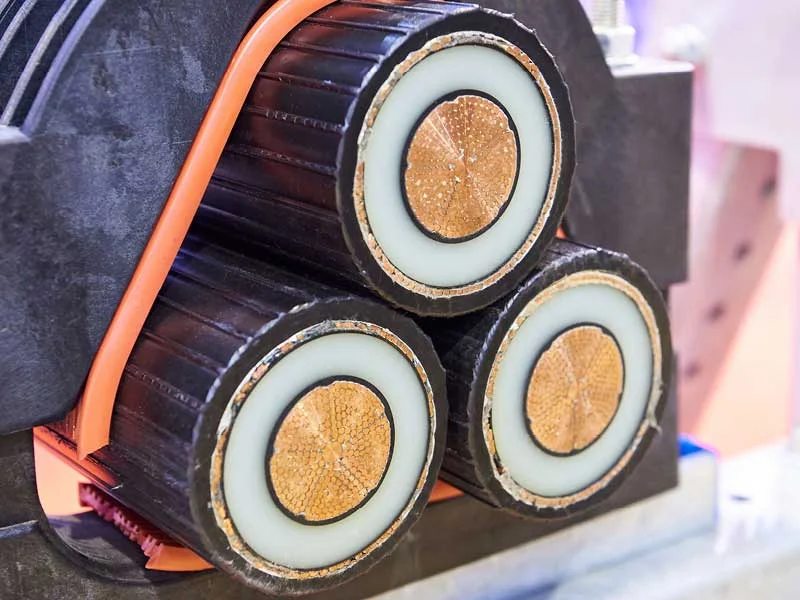
For medium-voltage (MV) and high-voltage (HV) cables, the cable insulation is surrounded by a concentric, semiconductive layer on the inside and outside.
Silicone elastomers
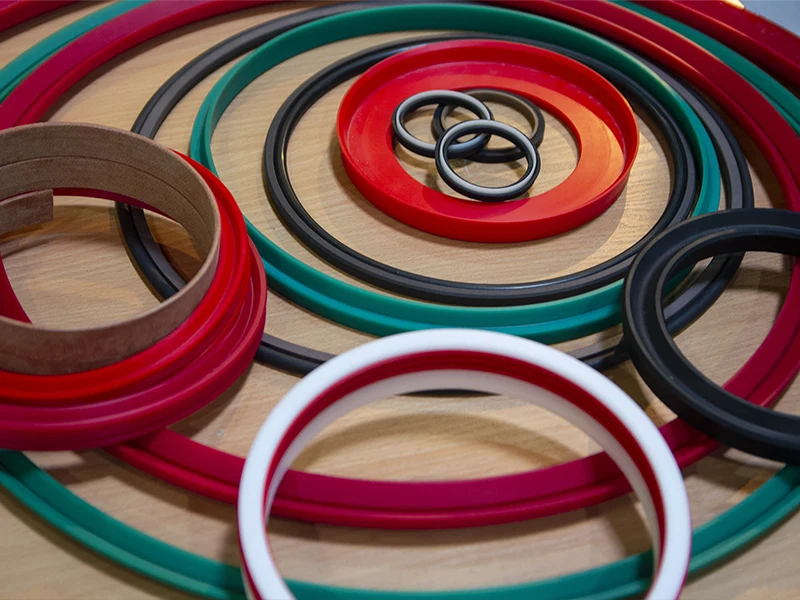
Due to their typical inorganic structure and organic residues, silicone structures are classified between inorganic and organic compounds. They are hybrids and have a unique range of properties not achieved by any other plastic.
Sioplas
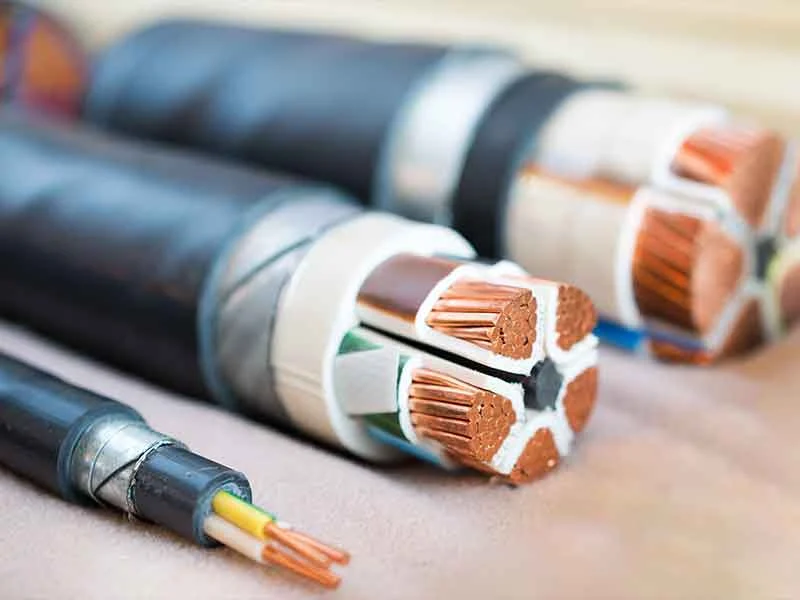
By crosslinking the polyethylene (PEX stands for cross-linked PE), a thermoplastic material can be converted into a thermoset material. This can be used at considerably higher operating temperatures, has better mechanical properties, is more stable against organic fluids and often allows thinner wall thicknesses.

Soft PVC
During the first half of the 19th century, the creation of PVC from vinyl chloride (VC) was first described. By the time the Second World War ended, it was already the most-produced plastic. Today, industries such as medical technology rely on the unique properties of PVC-P.
Thermoplastic elastomers
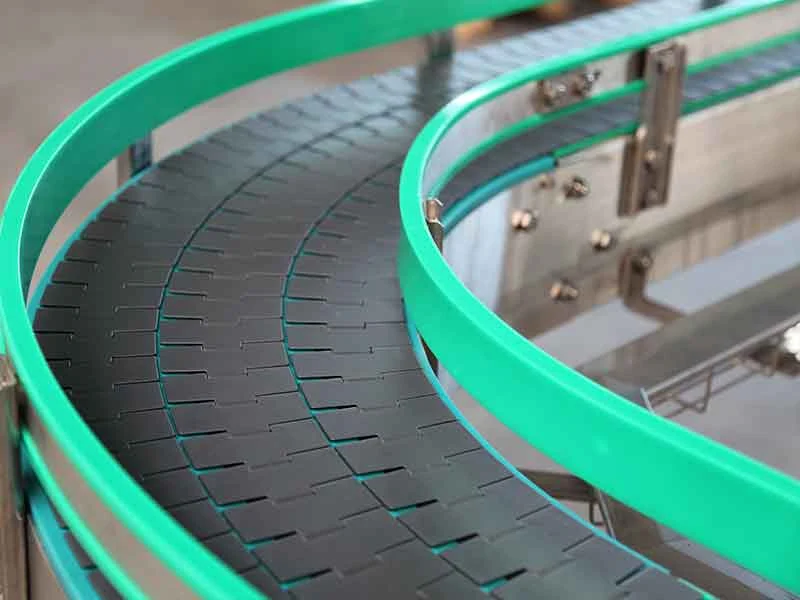
Thermoplastic elastomers (TPE) form a family of materials which combine the properties of elastomers with the recyclability and processing advantages of plastics.
Our Technological StrengthsBUSS Compounding Advantages
The many polymeric and other raw materials that require compounding present individual challenges for each process. The BUSS Kneader represents a specialized compounding system that offers flexible solutions for these challenges.